About this game: METRO RUSH 1994
The network is down. Run the cartridge across the city.
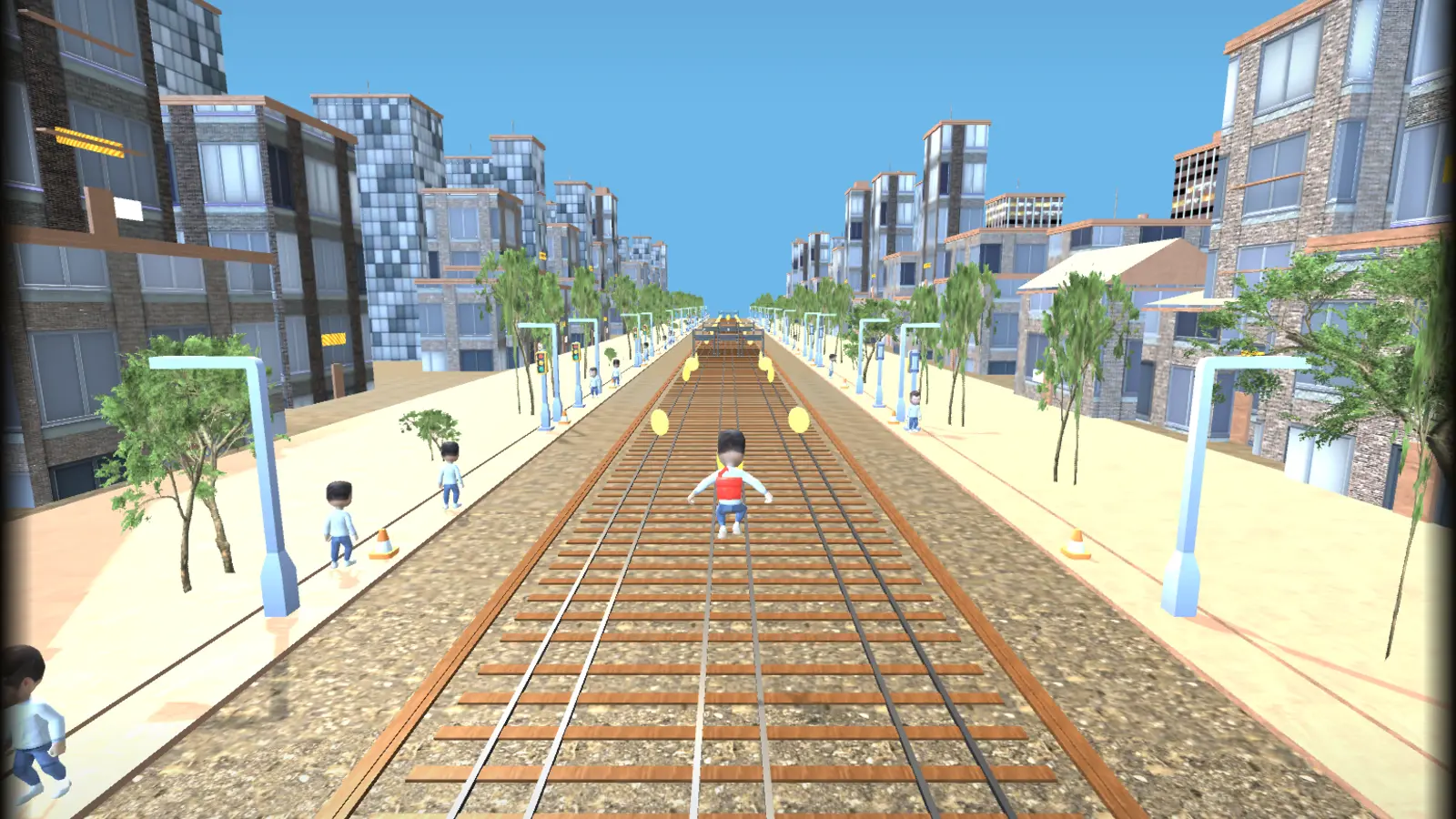
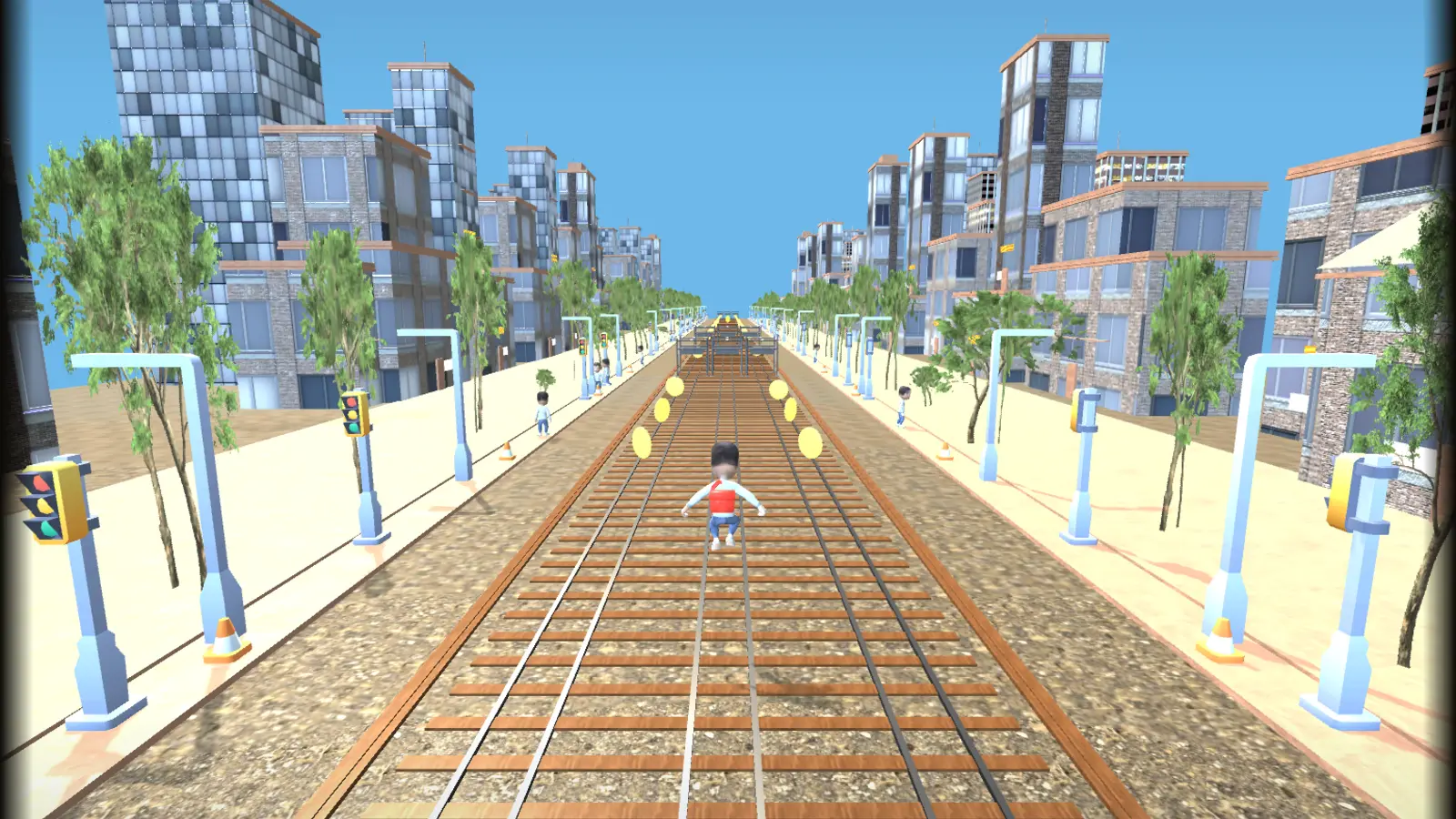
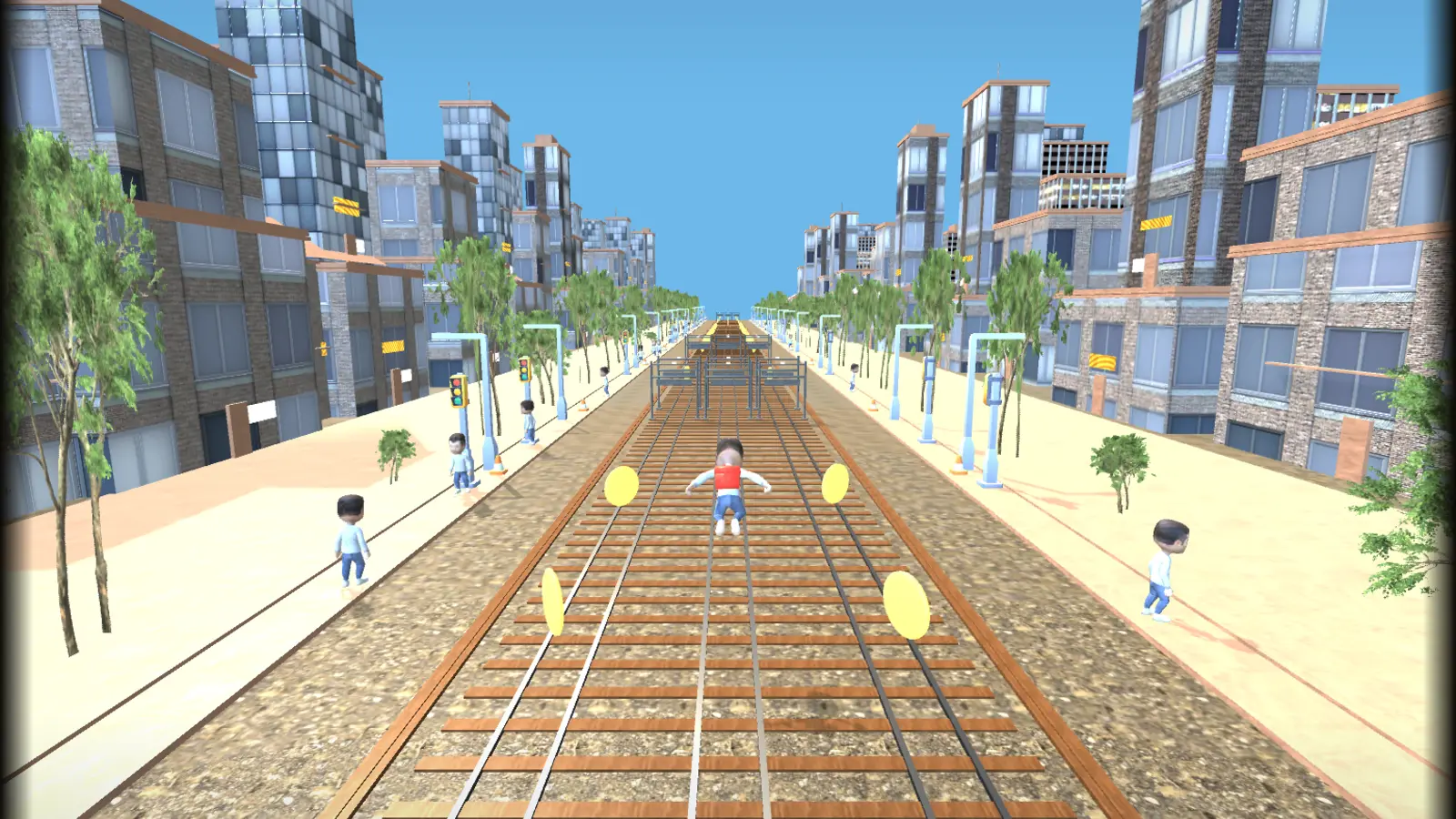
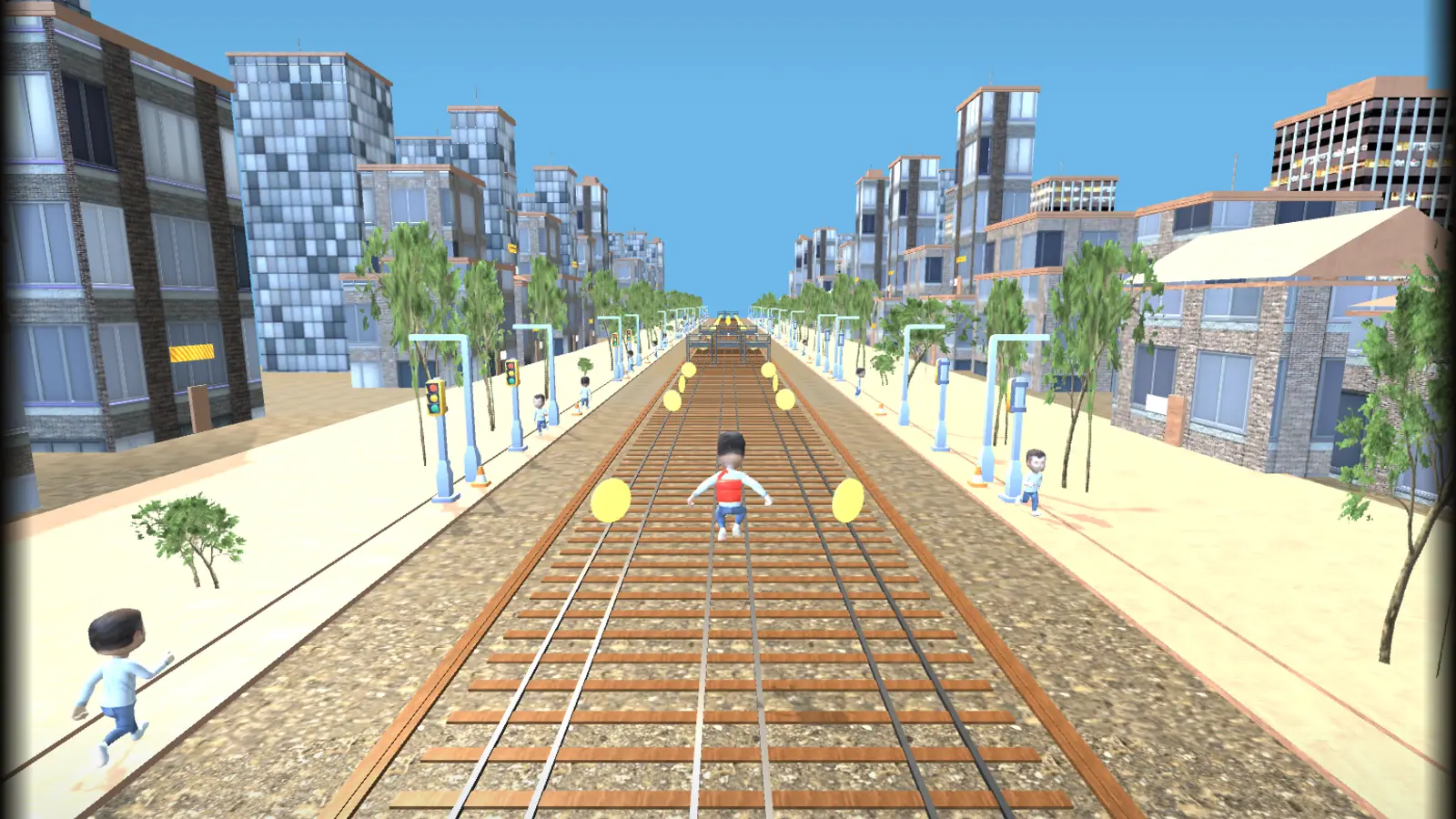
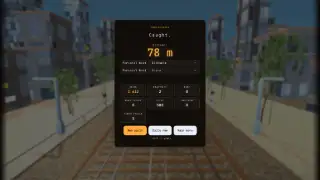
Nova City, 1994. A courier carries the one copy of what NOVACOM did not want printed, and the only way it reaches the press is on foot. Eight districts, from a live metro of moving trains to the night market, forked routes you choose by running into them, and a city that is different every night unless you take the daily.
Play nowThe game runs in your browser with JavaScript and WebGL 2 enabled.
What you get
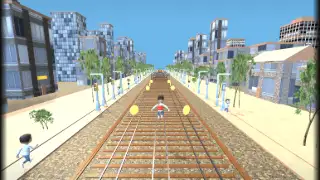
- A live metro under Nova City: tiled stations, strip lights and trains that actually move
- Jump the coupler, hop roof to roof, and when a set ends hop left or right onto the next track
- Eight districts and forked routes you choose by running into them
- A city that is different every night unless you take the daily
Your controls
- A D← →
- Move left / Move right
- W↑
- Jump
- S↓
- Slide
- Shift
- Sprint
- Esc
- Pause
- ControllerA controller works too: the pad changes lane, the bottom button jumps, the right button slides and the right trigger sprints.
- TouchSwipe left and right to change lane. Swipe up to jump, down to slide.
Ways to play
- Endless run through eight districts
- Daily city, the same for everyone
- Distance and fragment boards
Plays on
- Devices
- Desktop, Tablet, Phone
- Controls
- Keyboard, Touch, Controller
- Orientation
- Landscape
- Genre
- Endless runner / Score attack
Music
The tracks you hear in this game, and the people who made them.
Before you play
What ends a run?
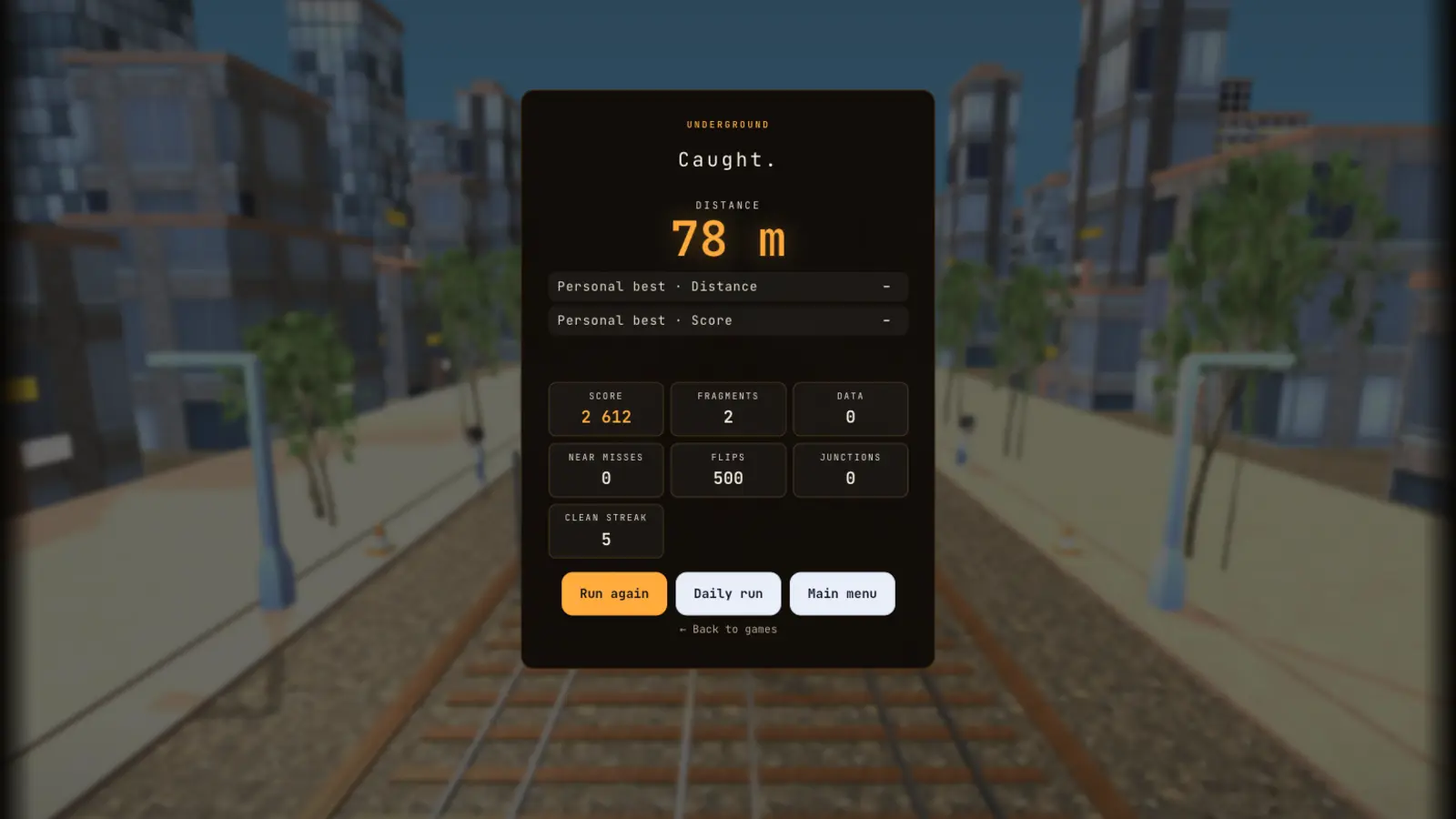
Running into a train, a barrier or a wall. When the train under you ends, hop left or right onto a set that is still moving. One hit ends the delivery, unless a shield is up: a shield pickup absorbs one hit and the HUD shows whether you are carrying one.
How do I pick a route?
When the road forks, the signs show what is ahead on each side. Move into the lane of the branch you want before the split; the run continues down whichever you are in.
What are fragments?
Pieces of the cartridge scattered across the city. Each one collected adds to the score, and the total is what the board ranks alongside distance.